
Understanding price behavior beyond indicators
Trading education for real-world decision-making
Market structure is one of the most important concepts in trading, yet it is often overlooked by retail traders.
Many beginners focus on indicators, signals, or isolated patterns without understanding the broader context in which price moves. Market structure provides that context. It helps traders understand where price is in the bigger picture and why certain trade ideas make sense while others do not.
This article explains market structure in a practical, retail-friendly way, without jargon, hype, or promises.
What market structure means in trading
Market structure describes how price moves over time. It focuses on the sequence of highs and lows and how those movements reflect buying and selling pressure.
At its core, market structure helps answer simple but critical questions:
Is the market trending up, trending down, or moving sideways?
Is price making progress, or is momentum fading?
Higher highs, lower lows, and context
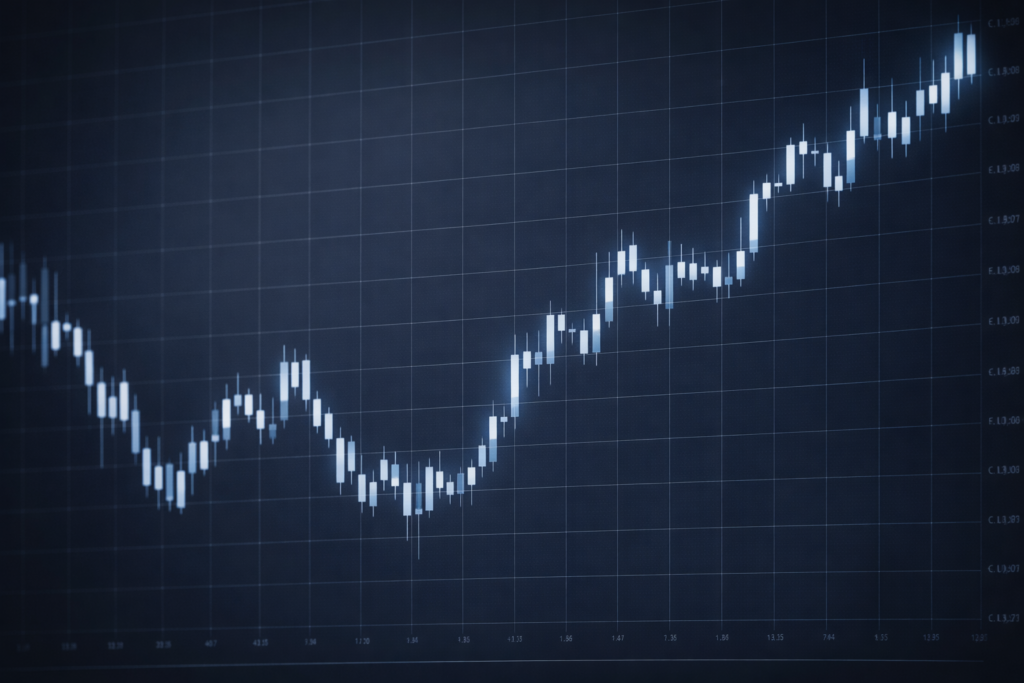
In an uptrend, price tends to form higher highs and higher lows. In a downtrend, lower highs and lower lows dominate. When neither occurs consistently, the market may be consolidating.
These patterns are not signals by themselves. They provide context. Without that context, trade ideas lose clarity.
This is why structured trading approaches place market structure before entries, targets, or execution details.
Market structure vs indicators
Indicators react to price. Market structure explains price.
While indicators can help highlight momentum or volatility, they often lag behind actual market behavior. Market structure, on the other hand, is visible directly on the chart and adapts naturally as price evolves.
For retail traders, this means fewer conflicting signals and a clearer understanding of where risk exists.
Why market structure matters when using trading signals
Trading signals are far more effective when viewed through the lens of market structure.
A buy signal inside a clear downtrend carries a different risk profile than a buy signal aligned with higher-timeframe structure. Market structure helps traders decide whether a signal fits the broader picture or conflicts with it.
This distinction is one reason why signals should support decision-making rather than replace it.
Market structure does not remove risk
Understanding market structure does not eliminate losses.
Markets can shift quickly due to volatility, liquidity changes, or external events. Structure can break, trends can fail, and ranges can expand unexpectedly.
Market structure helps manage uncertainty, not remove it.
Who benefits most from learning market structure
Market structure is especially useful for traders who want clarity instead of constant signal chasing.
Final thoughts
Market structure is not a strategy on its own, but it is a foundation.
It provides context, improves signal interpretation, and encourages disciplined decision-making. For retail traders, learning market structure is often the step that turns random trading into structured participation.
Understanding how price behaves matters more than predicting where it will go.